Owning commercial real estate is not passive by default.
Even when a property is leased and income-producing, long-term value depends on active decision-making. The strongest property owners understand that value is shaped over time through tenant quality, lease structure, maintenance, market positioning, operating efficiency, and the ability to adapt as conditions change.
For many owners, the first step is understanding how the property is currently positioned in the market.
Is the property being used to its highest and best potential? Are lease rates aligned with current market conditions? Are tenants stable and properly matched to the asset? Are there deferred maintenance issues that could affect future pricing, financing, or tenant retention? Are there opportunities to improve visibility, access, curb appeal, or operational performance?
These questions matter whether an owner plans to hold the property for years or prepare for a sale in the near future.
Tenant quality is one of the most important drivers of value. A property with reliable tenants, clear lease terms, and consistent income is generally more attractive to investors than a property with uncertainty, short-term occupancy, or unclear financial performance. Strong leases do more than generate rent. They help tell the story of the asset.
That story matters when a property goes to market.
Buyers and investors want to understand the durability of income, the strength of the tenant base, the condition of the asset, and the potential upside. A commercial real estate advisor can help owners identify what buyers are likely to focus on and how to prepare the property before it is listed.
Property condition is another major factor. Deferred maintenance can quietly reduce value over time. Roof issues, HVAC concerns, parking lot deterioration, drainage problems, outdated interiors, poor signage, and exterior wear can all affect how tenants, buyers, lenders, and inspectors evaluate a property. In some cases, targeted improvements can improve marketability and support stronger outcomes. In other cases, an owner may be better served by pricing the property appropriately and allowing the next buyer to execute the improvements.
The right answer depends on the asset, the market, and the owner’s goals.
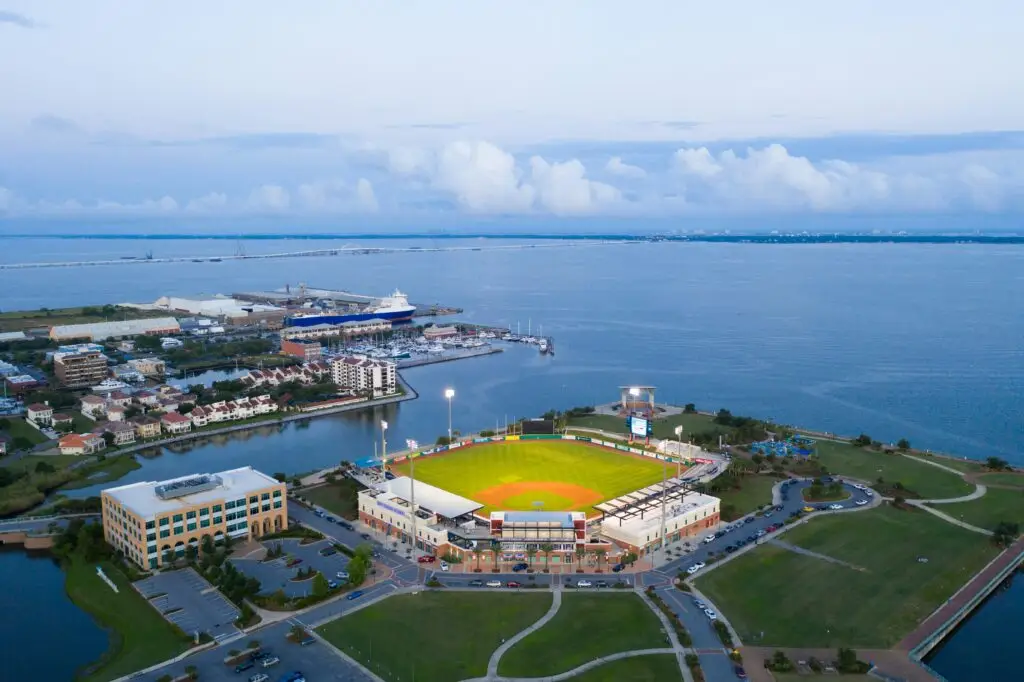
Local market context is also essential. A property’s value is influenced by what is happening nearby. New infrastructure, road improvements, residential growth, business expansion, tourism activity, healthcare development, education, and public investment can all shape commercial real estate demand. Downtown Pensacola, for example, has continued to see public and private attention around walkability, infrastructure, and redevelopment, with The New Palafox project representing one visible example of local reinvestment.
Owners should also think strategically about timing. Market timing is not just about waiting for the “perfect” moment. It is about understanding buyer demand, financing conditions, competing inventory, tenant activity, and the property’s own readiness. Sometimes value is maximized by selling. Sometimes it is maximized by leasing vacant space, renewing key tenants, restructuring leases, making improvements, or holding through the next cycle.
At SVN® Southland Commercial, our advisors help owners evaluate commercial property from both a market and asset perspective. SVN Southland Commercial is positioned as a full-service commercial real estate firm specializing in sales, leasing, and property management, with a regional presence across North Florida.
Maximizing value does not happen by accident. It comes from clear strategy, strong market knowledge, and disciplined execution.
For property owners, the right advisor can help turn real estate from a static asset into a stronger long-term investment.